FIRE INVESTIGATION ANALYSIS OF FRACTURING TRUCK INSIDENT BASED ON LOCAL ALCOHOLIC BEVERAGE AS A NON-PETROLEUM FUEL SOURCE
Catur Setyawan Kusumohadi1, Faizal Fajriansyah2, Adrianus Pangaribuan3
View full PDF here
Mission: Make things interesting, better, safer and easier.
Abstract. Fire incidents caused by non-petroleum-based fuels, especially locally produced alcoholic beverages, are rare yet pose a serious hazard due to their high flammability. This study presents a forensic analysis of a fire incident involving a fracturing truck, suspected to have been fueled by local alcohols such as ciu, tuak, cap tikus, arak Bali, and McDonald Whisky. Gas Chromatography-Mass Spectrometry (GC-MS) was employed to analyze fire debris samples and compare them to the chemical profiles of the alcoholic beverages. Results indicate a high correlation between specific chemical markers in the fire debris and those found in the tested local alcohols. This study confirms that GC-MS can serve as a reliable tool in fire investigations involving flammable organic liquids.
Keywords: Fire Investigation, GC-MS, Local Alcohol, Non-Petroleum Fuel, Fire Debris
1. Introduction
Fire is an event that can cause serious losses, both in terms of property and human life. To understand the cause of a fire, an investigation is needed. The goal is to find out where the fire started, what caused it, and whether it was accidental or intentional.
One of the challenges in fire investigation is when the fuel used is not petroleum-based, but comes from other sources such as alcoholic beverages. Some types of local alcoholic drinks like ciu, tuak, cap tikus, arak Bali, and McDonald Whisky contain a high level of ethanol. Ethanol is very flammable and can be used as an accelerant to make the fire spread faster, even though these drinks are normally meant for human consumption¹.
According to NFPA 921, fire investigation should follow a systematic process, including reading fire patterns, collecting fire debris samples, and analyzing possible ignition sources. If there is no petroleum-based fuel found at the scene, other accelerants such as alcohol should be considered².
This study was conducted to investigate a fire incident involving a fracturing truck owned by PT XYZ. It is suspected that local alcoholic beverages were used as the accelerant. The method used includes on-site observation and laboratory analysis using GC-MS (Gas Chromatography–Mass Spectrometry). This tool helps to identify chemical compounds in fire debris, and then compare them with the compounds found in alcohol samples³. The result is expected to show a clear link between the alcohol and the fire, and to provide scientific support for the investigation process.
2. Methods
This investigation employed a qualitative case study methodology based on established forensic science protocols. The field investigation was conducted at the site of the incident, where a fracturing truck—used for chemical mixing and pumping operations—was severely damaged by fire. The sequence of methods applied in this study is systematically illustrated in the flow diagram presented in Figure 1.
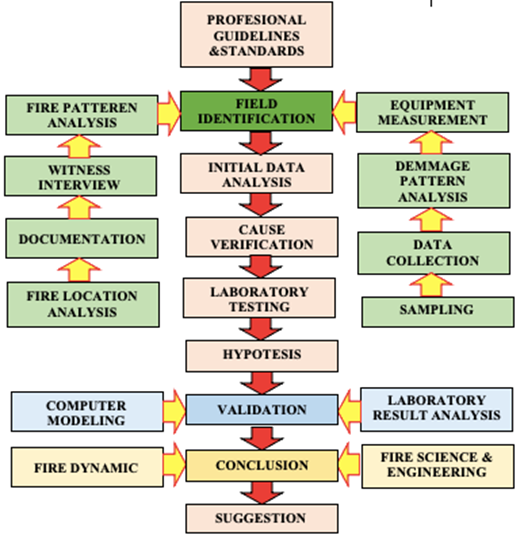
Figure 1 Investigation Procedure Diagram
As part of the analysis, five types of locally available alcoholic beverages—Arak Bali, Cap Tikus, Ciu, MCD Whisky, and Tuak—were selected as reference fuels. Samples from these beverages, along with fire residues collected from the incident site, were analyzed using Gas Chromatography–Mass Spectrometry (GC-MS) at the DKI Jakarta Fire and Rescue Laboratory
2.1. Fire Scene Documentation and Sampling
Burn patterns were identified around the engine deck, electrical system, and metal frame of the truck. Special attention was given to melted spare parts and areas with heavy charring and carbonization. These patterns were mapped and are presented in Figure 2
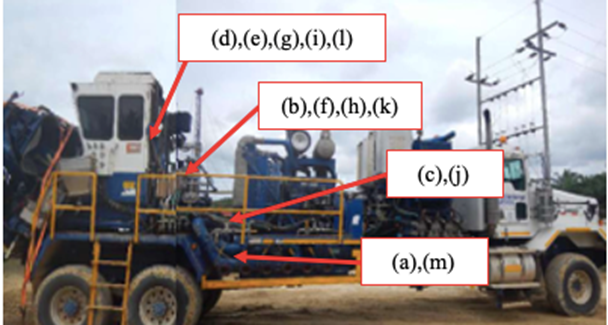
Figure 2 Fire Pattern Mapping on the Fracturing Truck
Figure 2 presents the mapping of fire patterns based on photographic documentation taken from several key points at the site. This mapping serves as a reference for Figure 3, which shows the sampling locations of fire debris collected during the investigation.
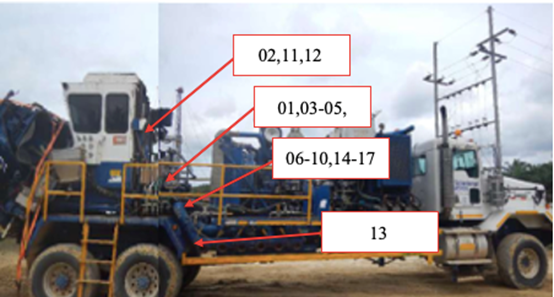
Figure 3. Sample collection map of fire debris.
This image illustrates the specific sampling points across the fracturing truck, marked with corresponding sample codes (01–17). Each red box indicates a group of samples taken from targeted zones based on burn intensity, material melting, and fire spread patterns.
2.2. GC-MS Operational Principle and Analysis
GC-MS (Gas Chromatography–Mass Spectrometry) is an analytical method that combines two main techniques: gas chromatography (GC) for separating compounds within a sample, and mass spectrometry (MS) for identifying and quantifying those compounds. Based on the system workflow illustrated in Figure 4, the following is a description of each component:
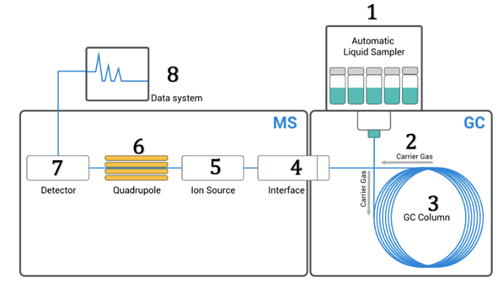
FIGURE 4 Workflow Diagram of GC-MS System
The GC-MS system consists of two main parts: gas chromatography (GC) and mass spectrometry (MS). The process begins with the automatic liquid sampler (1), which injects the sample into the system. The sample is vaporized and carried by an inert gas (2) into the GC column (3), where compounds are separated based on physical and chemical properties. The separated compounds are then transferred through an interface (4) into the MS unit. In the ion source (5), the compounds are ionized into charged particles. These ions are filtered by the quadrupole (6) based on their mass-to-charge ratio (m/z), and the selected ions are detected by the detector (7). Finally, the data system (8) processes the signals to produce a mass spectrum used for compound identification. (Agilent Technologies).
3. Results and Discussion
GC-MS analysis of the fire debris yielded distinct chemical profiles consistent with the presence of alcohol-based accelerants. Samples labeled S.6 and S.9, taken from the melted engine components and metallic fragments, revealed high concentrations of ethanol, along with notable peaks of 1-butanol-3-methyl, acetic acid, 2,3-butanediol, and ammonium acetate. These compounds were also found in the alcoholic beverage samples. (Stauffer et al., 2007; Agilent Technologies)
Table 1. GC-MS Results of fire debris
|
Compound Name
|
S.2
|
S.4
|
S.5
|
S.6
|
S.7
|
S.8
|
S.9
|
S.10
|
S.13
|
S.16
|
S.17
|
|
1,2-Pentadiene, 4-methoxy-4-methyl-
|
✓
|
|
✓
|
✓
|
✓
|
|
|
✓
|
✓
|
|
|
|
Glycol
|
✓
|
|
|
|
|
|
|
|
|
|
✓
|
|
Ethanalamine
|
✓
|
|
|
✓
|
|
|
✓
|
|
|
|
✓
|
|
Carbondioxide
|
✓
|
✓
|
✓
|
✓
|
✓
|
✓
|
✓
|
✓
|
✓
|
✓
|
✓
|
|
Ethanol
|
|
|
|
✓
|
|
|
✓
|
|
|
|
|
|
Pentanal, 2 methyl-
|
✓
|
✓
|
✓
|
✓
|
✓
|
✓
|
|
✓
|
|
|
|
|
Butane
|
✓
|
|
|
✓
|
|
|
✓
|
|
|
|
✓
|
|
Acetic Acid
|
|
✓
|
|
✓
|
✓
|
|
✓
|
✓
|
|
✓
|
|
|
Sinapic Acid
|
✓
|
|
|
✓
|
|
|
✓
|
|
✓
|
|
|
|
Butanedial
|
✓
|
|
✓
|
✓
|
|
✓
|
|
✓
|
✓
|
|
✓
|
|
Madazepam
|
|
|
✓
|
|
|
|
|
|
|
✓
|
|
|
Hexadecane
|
✓
|
|
|
✓
|
|
|
✓
|
|
✓
|
✓
|
✓
|
|
2- Butanone
|
|
|
✓
|
|
|
|
|
✓
|
|
✓
|
|
|
Furan , 2 penthyl-
|
|
✓
|
|
|
✓
|
|
|
|
✓
|
✓
|
|
|
1-Butanol, 3-methyl-
|
✓
|
|
|
✓
|
|
|
✓
|
|
|
|
|
|
Hexanoic Acid
|
|
|
|
|
|
|
|
|
|
|
|
|
Pentane
|
✓
|
|
✓
|
✓
|
|
✓
|
|
✓
|
|
|
|
|
1-hexanol,2-ethyl
|
|
|
|
|
|
|
|
|
|
|
|
|
Decane
|
✓
|
|
|
✓
|
|
|
✓
|
|
✓
|
|
|
|
Benzene
|
|
✓
|
|
✓
|
✓
|
|
|
|
✓
|
|
|
|
Ethyne,Fluro-
|
✓
|
|
|
|
|
|
|
|
|
✓
|
|
|
Isobutane
|
|
|
✓
|
✓
|
|
✓
|
|
|
✓
|
|
|
|
L-Lactic acid
|
|
✓
|
|
✓
|
|
|
✓
|
|
|
|
✓
|
|
Glycrine
|
|
|
|
|
|
|
|
|
✓
|
|
|
|
Vinylbutoxydichlorosilane
|
✓
|
|
|
|
✓
|
✓
|
|
|
✓
|
|
|
|
Formic acid hydrazide
|
|
|
|
|
|
|
✓
|
|
|
✓
|
|
|
Propanoic acid, 2-hydroxy-, ethyl ester
|
|
✓
|
|
✓
|
|
|
|
✓
|
|
|
|
|
Toluene
|
|
|
|
✓
|
|
|
✓
|
|
|
|
✓
|
|
2,3-Butanediol, [S-(R*,R*)]-
|
|
|
|
✓
|
|
✓
|
✓
|
|
|
✓
|
|
|
2,3-Butanediol
|
|
✓
|
|
✓
|
|
|
✓
|
|
|
|
|
|
Ammonium acetate
|
✓
|
|
|
✓
|
|
|
✓
|
✓
|
|
✓
|
|
|
Hydrazine, 1,2-dimethyl-
|
|
|
|
✓
|
✓
|
|
✓
|
|
✓
|
|
✓
|
|
Urea
|
|
✓
|
|
✓
|
|
|
✓
|
|
|
|
|
|
|
|
|
|
|
|
|
|
|
|
|
|
|
|
|
|
|
|
|
|
|
|
Following the analysis of the fire debris presented in Table 1, the presence of compounds associated with alcoholic beverages was identified in several tested samples. Further investigation revealed that these compounds matched those commonly found in traditional Indonesian alcoholic drinks that are frequently consumed in the vicinity of the fire scene. As a result, several samples of these local beverages were included for further testing and comparison.
The testing was conducted on five types of traditional alcoholic beverages from the area, selected based on their popularity and high consumption among the local community. The beverages tested include:
|
S.1
|
:
|
Arak Bali
|
|
S.2
|
:
|
Cap Tikut
|
|
S.3
|
:
|
CIU
|
|
S.4
|
:
|
MCD Whisky
|
|
S.5
|
:
|
Tuak
|
The test results of the five types of alcoholic beverages revealed the presence of key compounds or components that serve as characteristic markers of these drinks. This conclusion was drawn based on the consistent detection of these compounds in three different samples, making them representative of the alcoholic beverages tested. The identified compounds are as follows:
Table 2. Dominant Compounds in Alcoholic Beverages
|
|
NO
|
COMPOUND NAME
|
|
|
1
|
Ethanol
|
|
2
|
1-Butanol, 3-methyl-
|
|
|
3
|
Propanoic acid, 2-hydroxy-, ethyl ester
|
|
|
4
|
2,3-Butanediol, [S-(R*,R*)]-
|
|
|
5
|
2,3-Butanediol
|
|
|
6
|
Acetic acid
|
|
|
7
|
Ammonium acetate
|
|
|
8
|
Formic acid hydrazide
|
|
|
9
|
Hydrazine, 1,2-dimethyl-
|
|
|
10
|
Urea
|
|
|
|
|
|
|
Table 2 shows a number of compounds that have similarities across each sample. Additionally, it is also important to note the presence of certain compounds that are characteristic of each type of beverage, including:
Table 3. Characteristic Compounds of Each Alcoholic Beverage
|
Name
|
S.1
|
S.2
|
S.3
|
S.4
|
S.5
|
|
Etanol
|
✓
|
✓
|
✓
|
✓
|
✓
|
|
1-Propanol, 2-methyl-
|
✓
|
|
|
|
|
|
1-Butanol
|
✓
|
|
|
|
|
|
2-Propanone, 1-hydroxy-
|
✓
|
|
|
|
|
|
1-Butanol, 2-methyl-
|
✓
|
|
|
|
|
|
1-Butanol, 2-methyl-, (S)-
|
✓
|
|
|
|
|
|
Hydrazine, (phenylmethyl)-
|
✓
|
|
|
|
|
|
Spiro[2,4]hepta-4,6-diene
|
✓
|
|
|
|
|
|
Toluene
|
✓
|
|
|
|
|
|
Ethyl Acetate
|
|
✓
|
|
|
|
|
Ethanimidic acid, ethyl ester
|
|
✓
|
|
|
|
|
Hydrazine, ethyl-
|
|
|
✓
|
|
|
|
Methylal
|
|
|
✓
|
|
|
|
Ethanol, 2,2'-oxybis-
|
|
|
✓
|
|
|
|
(S)-(+)-1,2-Propanediol
|
|
|
|
✓
|
|
|
Propylene Glycol
|
|
|
|
✓
|
|
|
R-(-)-1,2-propanediol
|
|
|
|
✓
|
|
|
Isopropyl Alcohol
|
|
|
|
✓
|
|
|
Propanoic acid, 2-hydroxy-, methyl ester, (.+/-.)-
|
|
|
|
✓
|
|
|
2-Propanol, 1-methoxy-
|
|
|
|
|
✓
|
|
1,2-Propanediol diformate
|
|
|
|
|
✓
|
|
1-Amino-3-methoxypropan-1-ol
|
|
|
|
|
✓
|
|
Acetic acid, anhydride with formic acid
|
|
|
|
|
✓
|
|
Propylene
|
|
|
|
|
✓
|
|
Glycerin
|
|
|
|
|
✓
|
|
1,2,3,4-Butanetetrol, [S-(R*,R*)]-
|
|
|
|
|
✓
|
|
Erythritol
|
|
|
|
|
✓
|
|
3,4-Furandiol, tetrahydro-, trans-
|
|
|
|
|
✓
|
|
1,2,3,4-Butanetetrol, [S-(R*,R*)]-
|
|
|
|
|
✓
|
|
Hydrazine, (phenylmethyl)-
|
|
|
|
|
✓
|
|
Benzeneethanol, .alpha.-methyl-
|
|
|
|
|
✓
|
|
Spiro[2,4]hepta-4,6-diene
|
|
|
|
|
✓
|
|
|
|
|
|
|
|
|
|
|
|
Based on the test results of five alcoholic beverage samples produced in Indonesia — in other words, traditional local Indonesian alcoholic drinks — it was found that several dominant compounds consistently appeared in each sample. These common compounds can be seen in Table 2.
In addition, the analysis revealed the presence of certain unique compounds that can be considered the "chemical DNA" of each beverage, serving as identifying markers for each type of alcohol. With these findings as a foundation, the next step is to compare the fire debris samples collected from the fire scene with the five tested alcoholic beverage samples, in order to identify any potential correlations between them.
Table 4 Comparison of Compounds between Fire Debris and Alcoholic Beverages
|
Compound Name
|
Sample Data
|
Alcohilic Beverage Sample
|
|
Ethanol
|
✓
|
✓
|
|
1-Propanol, 2-methyl-
|
|
|
|
1-Butanol
|
|
|
|
2-Propanone, 1-hydroxy-
|
|
|
|
1-Butanol, 3-methyl-
|
✓
|
✓
|
|
Methoxyacetic acid, pentyl ester
|
|
|
|
Butane, 1-methoxy-3-methyl-
|
|
|
|
1-Pentanol
|
|
|
|
1-Butanol, 2-methyl-
|
|
|
|
1-Butanol, 2-methyl-, (S)-
|
|
|
|
Propanoic acid, 2-hydroxy-, ethyl ester, (L)-
|
|
|
|
Propanoic acid, 2-hydroxy-, ethyl ester
|
✓
|
✓
|
|
2,3-Butanediol, [S-(R*,R*)]-
|
✓
|
✓
|
|
2,3-Butanediol
|
✓
|
✓
|
|
L-Lactic acid
|
✓
|
✓
|
|
Phenylethyl Alcohol
|
|
|
|
Hydrazine, (phenylmethyl)-
|
|
|
|
Spiro[2,4]hepta-4,6-diene
|
|
|
|
Toluene
|
✓
|
✓
|
|
Acetic acid
|
✓
|
✓
|
|
Ammonium acetate
|
✓
|
✓
|
|
Acetic acid, methoxy-
|
|
|
|
Formic acid hydrazide
|
✓
|
✓
|
|
Hydrazine, 1,2-dimethyl-
|
✓
|
✓
|
|
Urea
|
✓
|
✓
|
4. Conclusions
The analysis results indicate that the fire originated from the engine deck area, supported by the identified heat, smoke, and flame patterns. Two key samples (S.6 and S.9), taken from melted components and metal parts in that area, contained flammable compounds also found in alcoholic beverages. These findings support the suspicion that the fire was not accidental, but rather intentional. The fact that the fracturing truck was turned off and parked in an area not covered by CCTV further strengthens this assumption. The use of GC-MS proved effective in identifying fuel-related compounds and played an important role in the fire investigation process.
Acknowledgements
The authors would like to express their gratitude to all parties who contributed to the completion of this research. Special thanks are extended to the DKI Jakarta Fire and Rescue Laboratory for providing the GC-MS testing facilities. The authors also appreciate the support and guidance from lecturers and colleagues at the Fire Safety Engineering Program, Universitas Negeri Jakarta, whose input greatly assisted in the preparation of this article.
References
[1] K. B. B. Indonesia, “Investigasi.” [Online]. Available: https://www.kbbi.web.id/investigasi
[2] T. C. on F. Investigations, NFPA 921 2021, 2021st ed. Quincy, MA: National Fire Protection Association (NFPA), 2021. [Online]. Available: https://www.nfpa.org/
[3] R. N. Eric Stauffer, Julia A. Dolan, Fire Debris Analysis, 1st Editio. Burlington, MA: Academic Press (Elsevier), 2007.
[4] Niamh Nic Daéid, Fire Investigation, First Edit. Boca Raton: CRC Press LLC, 2004. [Online]. Available: https://www.crcpress.com/
[5] D. J. DeHaan, John D.; Icove, Kirk’s Fire Investigation, 7th ed. Upper Saddle River, New Jersey: Pearson Education, Inc., 2012.
[6] Agilent Technologies, “GC/MS Fundamentals – Gas Chromatography/Mass Spectrometry (GC/MS),” Agilent Technologies.
[7] National Fire Protection Association, “NFPA 704: Standard system for the identification of the hazards of materials for emergency response,” Quincy, MA, 2017.
[8] S. S. Nabillahningsih, “Analisis Investigasi Kebakaran Studi Kasus : Kebakaran yang di Sebabkan Bahan Bakar Cair,” Universitas Negeri Jakarta.
[9] M. W. Ilhami, W. Vera Nurfajriani, A. Mahendra, R. A. Sirodj, and W. Afgani, “Penerapan Metode Studi Kasus Dalam Penelitian Kualitatif,” J. Ilm. Wahana Pendidik., vol. 10, no. 9, pp. 462–469, 2024, [Online]. Available: https://doi.org/10.5281/zenodo.11180129
[10] A. Rijali, “Analisis Data Kualitatif,” Alhadharah J. Ilmu Dakwah, vol. 17, no. 33, p. 81, 2019, doi: 10.18592/alhadharah.v17i33.2374.
[11] National Center for Biotechnology Information (2025), “PubChem Compound Summary for CID 6360, Isobutane.” Accessed: Feb. 04, 2025. [Online]. Available: https://pubchem.ncbi.nlm.nih.gov/compound/Isobutane
[12] National Center for Biotechnology Information (2025), “PubChem Compound Summary for CID 1140, Toluene,” National Center for Biotechnology Information. Accessed: Feb. 04, 2025. [Online]. Available: https://pubchem.ncbi.nlm.nih.gov/compound/Toluene
[13] National Center for Biotechnology Information (2025), “PubChem Compound Summary for CID 241, Benzene,” National Center for Biotechnology Information.
[14] National Center for Biotechnology Information (2025), “PubChem Compound Summary for CID 8003, Pentane,” National Center for Biotechnology Information. Accessed: Feb. 04, 2025. [Online]. Available: https://pubchem.ncbi.nlm.nih.gov/compound/Decane
[15] National Center for Biotechnology Information (2025), “PubChem Compound Summary for CID 11006, Hexadecane,” National Center for Biotechnology Information. Accessed: Feb. 04, 2025. [Online]. Available: https://pubchem.ncbi.nlm.nih.gov/compound/Hexadecane
[16] National Center for Biotechnology Information (2025), “PubChem Compound Summary for CID 176, Acetic Acid,” National Center for Biotechnology Information.
[17] National Center for Biotechnology Information (2025), “PubChem Compound Summary for CID 7843, Butane,” National Center for Biotechnology Information. Accessed: Feb. 04, 2025. [Online]. Available: https://pubchem.ncbi.nlm.nih.gov/compound/Butane
[18] N. C. for B. I. (2025), “PubChem Compound Summary for CID 700, Monoethanolamine,” National Center for Biotechnology Information. Accessed: Feb. 04, 2025. [Online]. Available: https://pubchem.ncbi.nlm.nih.gov/compound/Monoethanolamine
[19] N. C. for B. I. (2025), “PubChem Compound Summary for CID 702, Ethanol,” National Center for Biotechnology Information. Accessed: Feb. 04, 2025. [Online]. Available: https://pubchem.ncbi.nlm.nih.gov/compound/Ethanol%0A%0A
[20] A. Pangaribuan, “FINAL TECHNICAL REPORT FIRE & EXPLOSION INVESTIGATION SPECIAL VEHICLE FIRE INVESTIGATION FRACTURING TRUCK UNIT KB 323 DURI - RIAU FRACTURING TRUCK UNIT KB-323 GEOPHYSICS NUSANTARA.”